
The Surface Painting Production Line is a vital component of the manufacturing process for various products such as automobiles, furniture, and electronic devices. The production line consists of several interconnected equipment, each with a specific role in achieving high-quality surface finishing. Let us examine the various components of a Surface Painting Production Line.
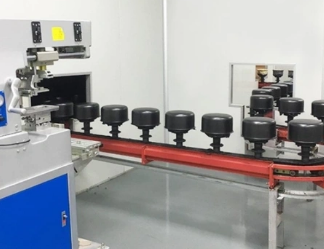
1. Surface Preparation Equipment
Surface preparation equipment includes cleaning machines, sandblasting machines, and degreasing equipment. These machines ensure that the surfaces to be painted are free of any contaminants that may affect the quality of the final product.
2. Primer Application Equipment
The primer application equipment applies a primer coat onto the prepared surface. This coating is essential in ensuring that the final coat of paint adheres correctly to the surface. The equipment used for primer application includes spray guns, electrostatic guns, and dip tanks.
3. Paint Application Equipment
The paint application equipment applies the final coating of paint onto the surface. This equipment includes spray guns, robotic arms, and electrostatic guns. Automated systems are increasing in popularity due to the high level of precision they offer in applying the paint while minimizing overspray.
4. Drying Ovens
Once the paint is applied, the surface needs to go through a drying process to cure the paint. This is done in drying ovens, which allow for controlled heating and drying times, ensuring that the paint cures adequately.
5. Sanding Equipment
Sanding equipment is used for roughening the surface and eliminating any blemishes or imperfections after the paint has cured. This equipment includes sandpaper, orbital sanders, and sanding machines.
6. Quality Control Stations
Throughout the production line, quality control stations monitor the final product's quality. The stations include visual inspection points, non-destructive testing, and thickness gauges.
Conclusion
The above components form a typical surface painting production line, which goes through rigorous testing to ensure that the final product meets the required quality standards. Advanced technologies and automation are increasingly being integrated into production lines to streamline processes and achieve faster production times while maintaining high quality.