
Stretching and forming are crucial processes in the manufacturing industry, helping to shape and transform a diverse range of materials into finished products. However, specific challenges often arise when it comes to these processes, leading to setbacks in terms of productivity and quality. Here are some of the major forming obstacles that Drawing And Forming Machinery manufacturers face during stretching and forming processes and how they can be overcome.
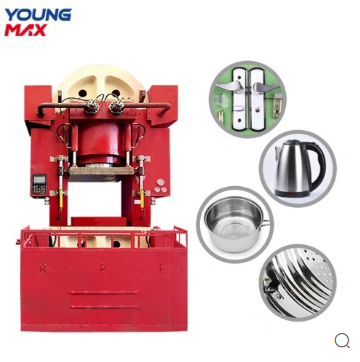
Stretching Challenges:
1. Material Properties: The materials used in stretching processes may come with properties that make it difficult to stretch. When the material has low stretchability or is brittle, it will break or tear during stretching, leading to higher wastage and scrap rates.
2. Uneven Stretching: During biaxial and uniaxial stretching, the material may not get evenly stretched, leading to non-uniform shapes and forms during the stretching process. The problem may be due to poor tension controls or machine malfunctioning.
3. Temperature Control: Proper temperature control is critical in the stretching process, to avoid overheating or underheating the material, which may affect its physical properties and lead to poor quality products.
Forming Challenges:
1. Deformation: During the forming process, deformation may occur, leading to the final product taking on an altered shape or form that may not match the design specifications. Deformations may be caused by applying excessive pressure or insufficient material flow during the forming process.
2. Surface Finish: A smooth and uniform surface finish of the formed product is important in several industries, such as automotive, where aesthetics play a significant role. Poor surface finishes can impact the overall quality of the product, leading to customer complaints.
3. Tooling Damage: Tooling damage may occur during the forming process, leading to molds and dies' breakage and downtime. Replacing damaged tooling can be an expensive and time-consuming process.
Overcoming the Challenges:
To overcome these challenges, manufacturers can implement various strategies, including:
1. Material Testing: Manufacturers can conduct rigorous material testing to understand the material properties for choosing appropriate materials for the stretching and forming processes.
2. Machine Maintenance: Regular machine maintenance can ensure that the machine is functioning optimally, helping to prevent uneven stretching and other machine-related issues that may hinder the production process.
3. Process Monitoring: Process monitoring systems such as sensors and cameras can help operators detect issues in real-time during the production process, allowing corrective actions to be taken promptly.
4. Tooling Maintenance: Proper tooling maintenance can help prevent damage and prolong the life of molds and dies, reducing downtime and costs.
In conclusion, while stretching and forming are essential manufacturing processes, they come with significant challenges that can impact productivity and quality. By understanding and implementing appropriate strategies, manufacturers can overcome these challenges and produce high-quality products that meet customer expectations.