

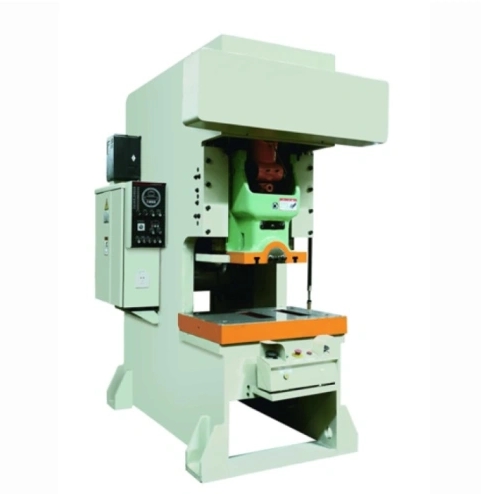
Precision Pneumatic Punches are at the forefront of modern manufacturing, leveraging the power of compressed air for precise and efficient punching operations. These punches are known for their rapid and consistent performance, making them ideal for applications that require high-speed and repetitive punching. The pneumatic technology ensures quick response times, making Precision Pneumatic Punches invaluable in industries where speed and accuracy are paramount.
Precision Hydraulic Punch: Power and Control in Unison
In the realm of precision punching, Precision Hydraulic Punches stand out for their power and precise control. Hydraulic systems enable these punches to exert considerable force while maintaining accuracy in the punching process. The ability to adjust the force and speed provides versatility, allowing manufacturers to adapt to a wide range of materials and thicknesses. Precision Hydraulic Punches are often favored for applications demanding a high level of control and force.
Mechanical Punch: Time-Tested Reliability
Mechanical Punches, although a traditional choice, continue to be a reliable and robust option in precision punching. These punches operate through mechanical mechanisms, offering a straightforward yet effective approach. Known for their durability and simplicity, Mechanical Punches are well-suited for applications where consistent punching is required. Their mechanical nature makes them resilient, contributing to their continued relevance in diverse manufacturing settings.
Riveting Machine: Joining Technologies in Manufacturing
Complementing precision punching processes, Riveting Machines play a crucial role in joining components securely. These machines utilize various techniques such as impact riveting or orbital riveting to create strong, permanent joints. Riveting Machines are essential in applications where welding or traditional fastening methods may not be suitable. Their versatility makes them valuable in industries ranging from automotive manufacturing to aerospace.
Industry Trends: Integration of Automation and Customization
As the manufacturing landscape evolves, industry trends highlight the integration of automation and a growing demand for customization. Precision Pneumatic Punches, Precision Hydraulic Punches, and Mechanical Punches are increasingly equipped with automated features, enhancing efficiency and reducing manual labor. Additionally, customization options in these punching technologies allow manufacturers to tailor their processes to specific requirements, contributing to a more agile and adaptive manufacturing environment.
Conclusion: Precision Punching for the Future of Manufacturing
Whether it's the swift and responsive Precision Pneumatic Punches, the powerful and controlled Precision Hydraulic Punches, or the time-tested reliability of Mechanical Punches, these technologies are shaping the future of precision punching in manufacturing. Combined with the joining capabilities of Riveting Machines, they offer a comprehensive solution for creating intricate components with accuracy and strength. As industry trends continue to emphasize automation and customization, the world of precision punching promises a future where manufacturers can achieve higher levels of efficiency, precision, and adaptability.