

Aluminum Die Casting Mold: Aluminum die casting molds are widely used in industries such as automotive, aerospace, and home appliances. The use of aluminum molds offers several advantages, including excellent thermal conductivity, high rigidity, and superior dimensional stability. These properties contribute to the production of high-precision components with intricate designs, ensuring the durability and performance of the finished products.
Bakelite Mould: Bakelite molds are extensively employed in the electrical and electronics industry. Bakelite, a type of thermosetting plastic, offers excellent electrical insulation properties, heat resistance, and dimensional stability. These characteristics make Bakelite molds suitable for producing electrical switches, outlets, connectors, and other high-temperature resistant components.
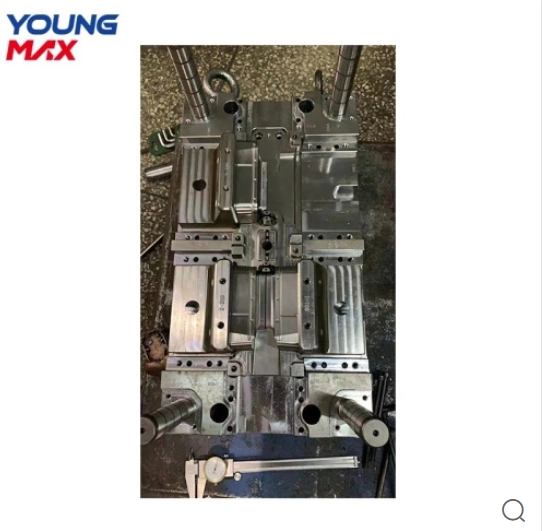
Plastic Injection Mold: Plastic injection molds are utilized in a wide range of industries, including automotive, consumer goods, and medical devices. The choice of mold material for plastic injection molds depends on factors such as the type of plastic being processed, the desired product finish, and the expected production volume. Common mold materials for plastic injection molding include steel and aluminum alloys, which offer excellent durability, reliability, and resistance to wear and tear.
The selection of the appropriate mold material is crucial in achieving consistent product quality, reducing production time, and maximizing operational efficiency. Manufacturers must consider factors such as the product requirements, production volume, and cost-effectiveness when deciding on the mold material. By understanding the relationship between the mold material and its impact on the manufacturing process, industries can optimize their production systems and deliver superior quality products to meet the ever-growing market demand.