

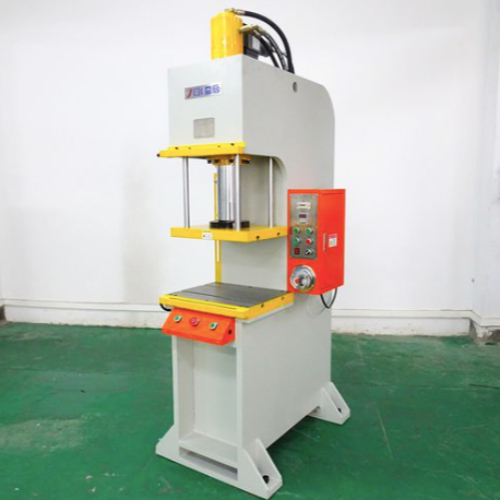
Hydraulic punch:
Hydraulic punch presses use hydraulic pressure to punch holes in the material and they have a number of advantages over other types of punch presses. They are generally more powerful and can punch holes in thicker, stronger materials than other types of punches. They also tend to be more accurate due to their advanced control systems, which can regulate the pressure and flow of hydraulic fluid. Hydraulic rams are generally less prone to damage and wear because they have fewer moving parts, which means they require less maintenance than other types of rams.
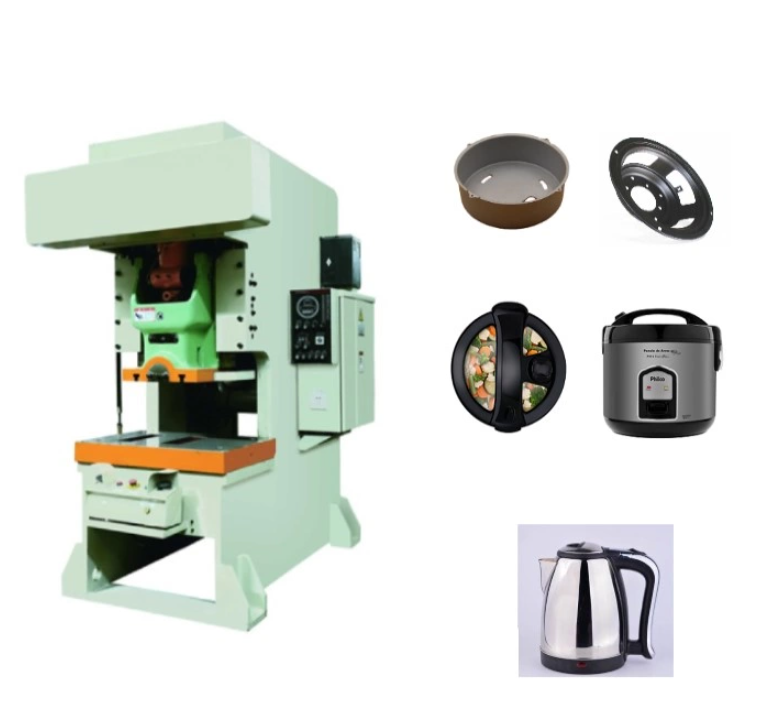
Pneumatic punch:
Pneumatic aerators use compressed air to create holes in material and offer unique advantages over hydraulic aerators. They tend to be lighter and more compact, making them easier to move in tight spaces. Precision pneumatic presses also tend to offer higher operating speeds, which makes them suitable for some high-volume production environments. They also tend to be more affordable than their hydraulic counterparts, which can be a big factor for small businesses on a budget.
Distinguishing features:
One of the main differences between precision hydraulic presses and precision pneumatic presses is the power source they use. Hydraulic presses use hydraulic fluid to power the press, while pneumatic presses rely on compressed air to power the press. This leads to other differences in the force they can apply, the precision of the punch and maintenance requirements.
Another important feature that differentiates hydraulic presses from pneumatic presses is the control system. The hydraulic punch press is equipped with an advanced control system, which can adjust the pressure and flow of hydraulic oil, which will affect the force and precision of the punch press. In contrast, pneumatic aerators are generally more direct and offer less control over the speed and force of the aerator.
In summary, the choice between a precision hydraulic punch press and a pneumatic punch press depends on the specific application and job requirements. While hydraulic presses offer greater power and precision, they tend to be heavier, more expensive and require more maintenance. Air aerators, on the other hand, are generally more affordable, easier to operate and offer faster operating speeds. Ultimately, knowing the difference between precision hydraulic presses and precision pneumatic presses can help manufacturers choose the best tool for their needs.