
Automobile industry:
Precision pneumatic presses are widely used in the automotive industry to form and stamp sheet metal parts used in bodywork, engines and suspensions. These punching machines are used to manufacture various components such as brackets, flanges and gears with high precision and accuracy, ensuring the quality and reliability of the final product.
it:
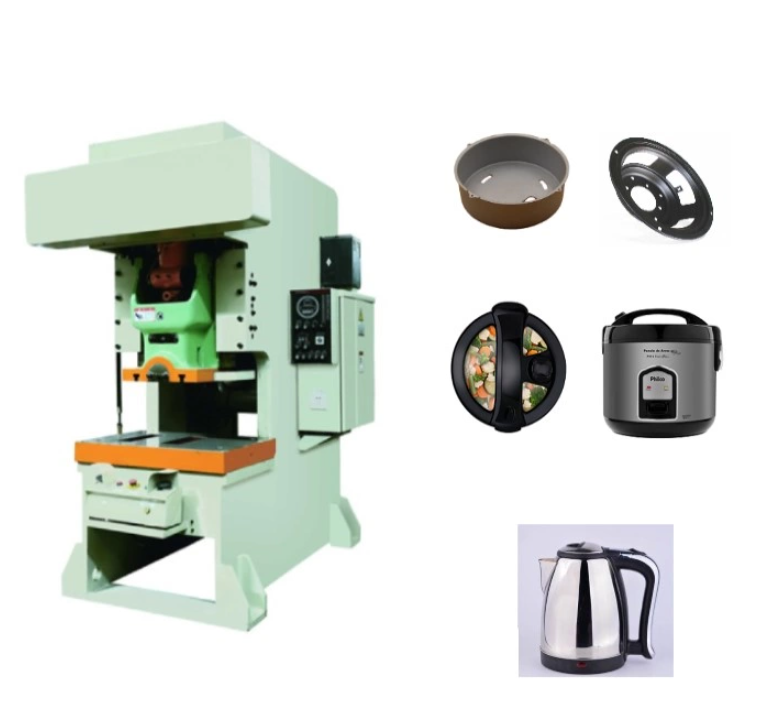
The electronics industry uses precision pneumatic presses to stamp and form metal parts for electronic devices such as smartphones, computers and home appliances. These punches are used to manufacture components such as connectors, housings and frames with the high precision and consistency required to ensure proper function of electronic devices.
Aerospace industry:
The aerospace industry uses precision pneumatic presses to form and stamp metal parts used in aircraft structures, engines and landing gear. These punches help in the manufacture of components such as brackets, fasteners and gears that require high precision and strength to withstand the harsh environment in which aircraft operate.
Medical industry:
The medical industry uses precision pneumatic presses to manufacture metal parts used in medical devices such as implants, surgical instruments and diagnostic equipment. These punches help create components with high precision and accuracy, ensuring the safety and effectiveness of medical devices.
Construction industry:
The construction industry uses precision pneumatic presses to stamp and form metal parts used in building structures, such as beams, girders and frames. These punches help create components with high strength and precision to ensure the durability and stability of building structures.
in conclusion:
Precision pneumatic punching machines are widely used in various manufacturing industries such as automotive, electronics, aerospace, medical, construction, etc. These punches help create components with high precision and accuracy and ensure the quality and reliability of the final product. The use of precision pneumatic presses in manufacturing has significantly increased the efficiency and productivity of the manufacturing process, resulting in improved product quality and profitability.